Shopping in Cappadocia: carpets, pottery, onyx and what to know
What to buy in Cappadocia and what to ask first: carpets and kilims, Avanos pottery, onyx, Soğanlı dolls, bargaining, tour-shop stops, shipping and antiques rules.
Published · Updated · 6 min read · Murat Yavuz
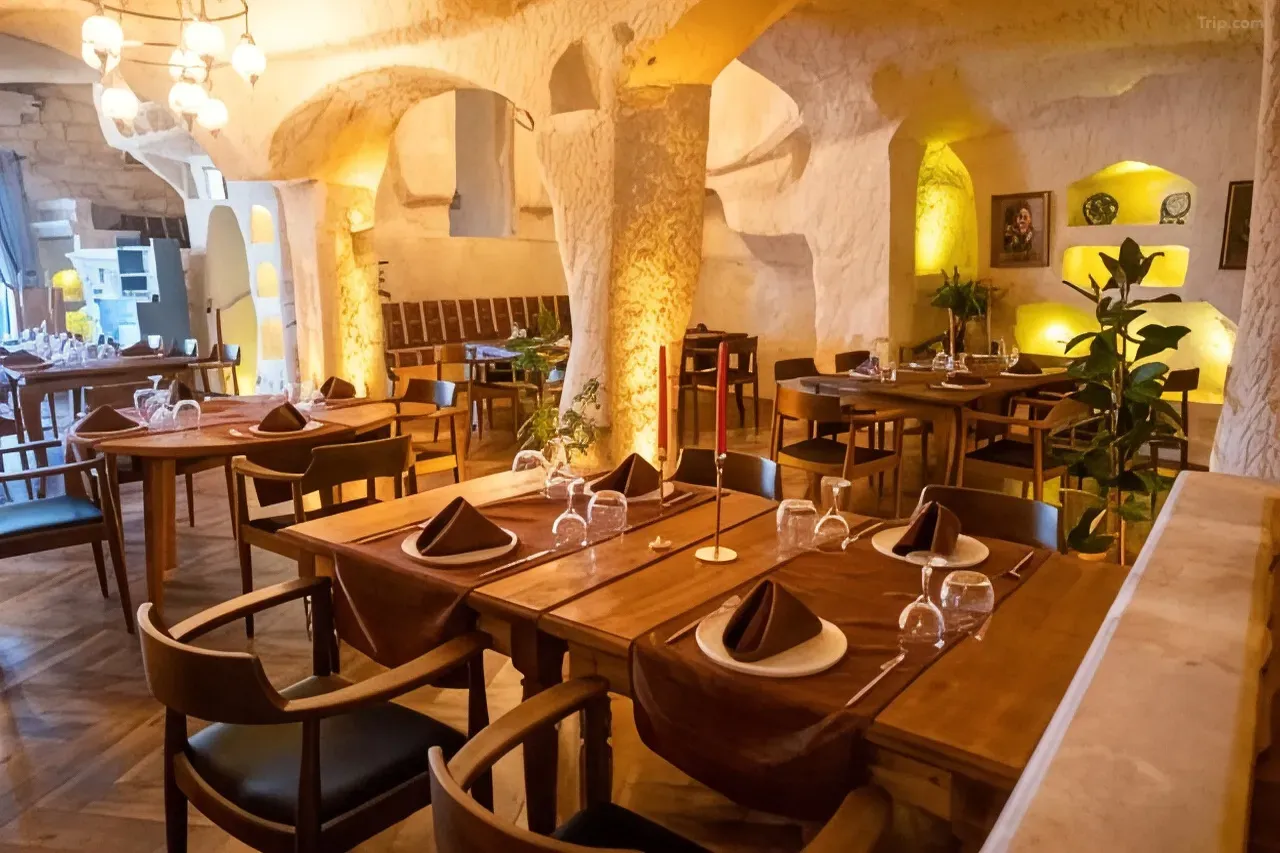
The things visitors usually take home from Cappadocia are carpets and kilims, pottery from Avanos, items cut from onyx and the cloth dolls of Soğanlı, and for each of them the useful move is to ask who made it and where before you ask the price. This guide sets out what each item is, what to ask, what a tour-shop stop really is, how bargaining usually goes and what to know about shipping and antiques. It gives no prices, because they vary by shop and day, and it recommends no shop. In the hotel catalogue, only one of 80 records mentions a craft.
What people buy
| Item | What it is | A question worth asking |
|---|---|---|
| Carpet | Knotted pile, usually wool, cotton or silk | Hand-knotted or machine-made, and where was it woven? |
| Kilim | Flat weave with no pile, lighter to pack | What is the fibre, and are the dyes natural or synthetic? |
| Pottery | Red clay from the Kızılırmak, made in Avanos | Is it glazed, and is it for food or display? |
| Onyx | A banded stone cut into bowls, lamps and small objects | What is the stone, and where was it quarried? |
| Soğanlı doll | A small handmade cloth doll sold in the village | Who made it? |
| Dried fruit, pumpkin seeds | Food, sold by weight in village shops | Where was this batch grown? |
Carpets and kilims: questions to ask
A carpet and a kilim are different objects, and a similar-looking piece can be priced differently from one shop to the next, so comparison is your best tool.
- Handmade or machine-made? Commonly given advice is to turn the piece over: on a hand-knotted carpet the pattern shows clearly on the back and the lines are slightly uneven, while machine work tends to look too regular.
- What is it made of? Wool, cotton and silk behave differently and age differently. Ask for the fibre in writing.
- What are the dyes? Natural and synthetic dyes are both used; ask which and how the seller knows.
- Where was it woven? Shops in Cappadocia sell pieces from many regions of Anatolia, so a local shop does not make a local carpet.
- Is any age claimed? An age is a claim you cannot check on the spot; ask for it on the receipt.
- How will it travel? A kilim folds flat, and a carpet rolls. Ask how the shop packs for a plane.
Decide how much you are willing to spend before you enter a showroom, because a limit set in advance is easier to hold under a seller’s charm; the trip budget guide helps with the other lines of the budget.
Pottery, onyx and dolls
Pottery. Avanos works with the red clay of the Kızılırmak, and its workshops sell directly. The Avanos pottery workshop guide covers how a piece is made and how to buy well, including the difference between a cooking pot made for testi kebab and a souvenir jug of the same shape. Ask for the piece to be boxed.
Onyx. An honest note: much of what is sold in Turkey as onyx is a banded calcite or travertine stone, not the silica gemstone the word also names. That does not make it a poor souvenir, but it does mean you should ask what the stone is and where it was quarried, because some pieces may come from elsewhere. Stone is heavy, so check the weight against your baggage allowance.
Soğanlı dolls. The cloth dolls are made locally and sold in the village; the Soğanlı guide describes the valley. A doll is light and easy to pack, and asking who made it is part of buying it.
Food. Dried fruit and pumpkin seeds are covered in what to eat in Cappadocia.
The tour-shop stop
Many group and private tours include a stop at a carpet, pottery, onyx or jewellery workshop. The demonstration is often real, but the stop is a sales stop, and operators are commonly said to choose these shops because the shop pays a commission. You are under no obligation to buy. If you do not want a shopping stop, say so when you book and ask what the itinerary includes. If you do, treat the stop as one price among several: look first, compare, and decide later.
Bargaining, shipping and antiques
- Bargaining. Where prices are unmarked, as in carpet showrooms, negotiation is usual; where they are marked and fixed, it is not. Be polite, know your limit and walk away if you must. A cup of tea is hospitality, not a contract.
- Receipts. Ask for an itemised receipt that describes the item, the fibre and any age claimed.
- Shipping. If the shop offers to ship, ask for the cost, the carrier, the tracking and who pays any duties at the other end, and keep the paperwork. The alternative is to carry it; 29 of the 80 hotels tick an airport transfer, and the airport transfer guide explains the options.
- Antiques. Rules on exporting antiques and historical objects are strict in Türkiye, and a carpet or object sold as old may need documents. Ask the seller what is required before you pay.
- Never take anything from a site. Fragments of pottery or stone from the churches, valleys and rock villages are not souvenirs.
What the hotel records say
Only one record mentions a craft: Aja Cappadocia Hotel in Ürgüp says the furniture in its ten themed rooms is handmade. Kilim Pansiyon in Uçhisar carries the word in its name, but its text speaks of the castle 138 m away, a restaurant and a spa, not of carpets. None of the 80 records mentions pottery, onyx, a shop or a workshop, and none offers a craft class, so the hotel is a place to ask, not a source. The three Çavuşin hotels sit on the road to Avanos, and the Ürgüp, Mustafapaşa and Ortahisar guide describes the towns on the other side of the region.
Where to stay
For a base where the shopping is on the way, Ürgüp Evi, pictured at the top, has 12 rooms in Ürgüp, a restaurant and bar, a winery next door and a local-style breakfast from 9:00 to 11:00. Atax Cave House in Çavuşin lists Göreme, Ürgüp and Avanos as near and has parking. Kilim Pansiyon in Uçhisar is 138 m from the castle, with a restaurant and free breakfast. Aja Cappadocia Hotel is a restored mansion with ten themed rooms and handmade furniture. After choosing, you can book through gocappadocia.com, the regional booking platform created through the combined efforts of 175 Cappadocia hoteliers, with a best-price guarantee; this guide takes no commission.
Questions answered in this article
What should I buy in Cappadocia?
The usual choices are carpets and kilims, pottery from Avanos, items made of onyx and the cloth dolls of Soğanlı. Dried fruit and pumpkin seeds are food rather than crafts. Ask who made an item and where.
What is the difference between a carpet and a kilim?
A carpet has a knotted pile; a kilim is woven flat, without knots or pile. Both can be wool, cotton or silk, so ask what the fibre and the dye are.
Is it normal to bargain?
In showrooms with unmarked prices it is usual to negotiate; in shops with fixed prices it is not. A cup of tea is hospitality, not a promise to buy, and you may always walk away.
Can I take an antique carpet or object home?
Rules on exporting antiques and historical objects are strict in Türkiye. If anything is sold to you as old, ask the seller what paperwork is needed and keep the receipt. Never take fragments from sites.
Do any hotels sell or teach crafts?
No record offers a craft class or shop. Aja Cappadocia Hotel mentions handmade furniture, and Kilim Pansiyon in Uçhisar has the word in its name, but neither text says it sells carpets.
Sources
- Göreme Suites hotel catalogue, October 2026: 80 records searched for carpet, kilim, craft, handmade, pottery, onyx, souvenir, shop and antique wording (one craft mention); 29 airport-transfer ticks counted (from gocappadocia.com hotel pages)
- Republic of Türkiye Ministry of Culture and Tourism: general information on regional crafts and on the protection of cultural property
More from the guide
Avanos guide: pottery town on the Kızılırmak
Avanos is the pottery town on the Kızılırmak: how to visit workshops, how it fits a day trip from Göreme, and why our catalogue has no Avanos hotel but 3 in Çavuşin.
Pottery workshop in Avanos: trying the wheel on the Kızılırmak
Trying the wheel in an Avanos pottery workshop: river clay, from lump to fired pot, what to ask, how to buy well, and the 3 Çavuşin hotels on the road there.
Adults-only and +12 hotels in Cappadocia
Four of the 80 hotels carry an age rule in their name, all in Göreme: Henna, Artemis, Aza (+12) and Zara (+10). What each record says, and what to ask first.